
Zhou & Eesley Family Foundation
A private family foundation

Education in the
places that
need it most.

The Zhou & Eesley Family Foundation supports computer science and entrepreneurship education in communities that mainstream programs overlook — across the Pacific, Southeast Asia, East Africa, and the Middle East.

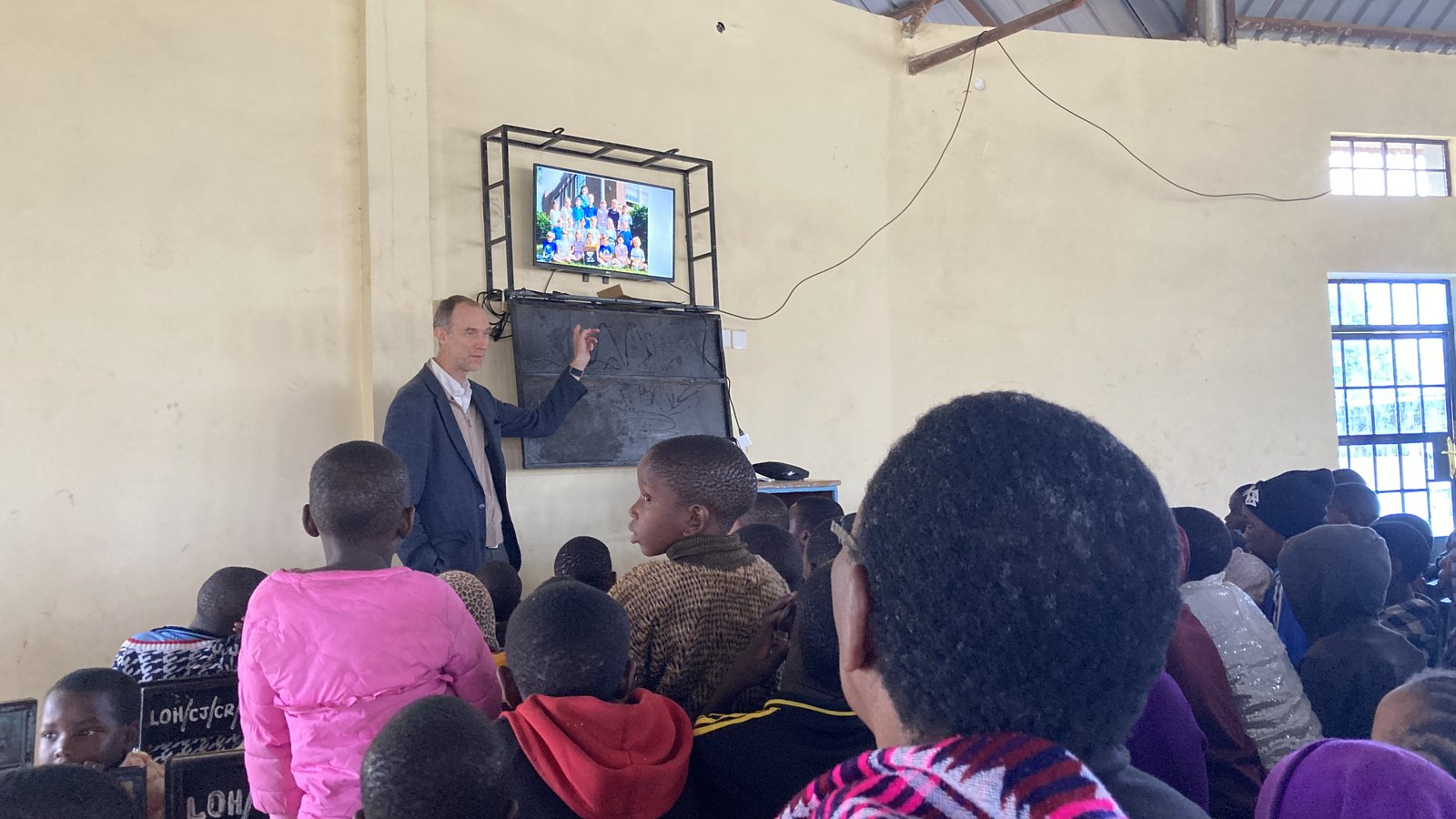
Chuck Eesley teaching at LOHADA orphanage in Tanzania, June 2023
LOHADA · Tanzania · June 2023
Our work

We work directly with teachers, university faculty, and community leaders to bring computer science and entrepreneurship training to students and founders who don't typically have access to it — with particular focus on women, underrepresented founders, and ventures advancing the UN Sustainable Development Goals.

We are small. We move slowly on purpose. We build long-term relationships with the people doing the work on the ground, and we follow their lead.

Now active · Malaysia
Project
ASPIRAS AI
July–October 2026

A four-month cohort program helping 15 Malaysian non-profits move past basic chatbot usage into deep operational AI integration.

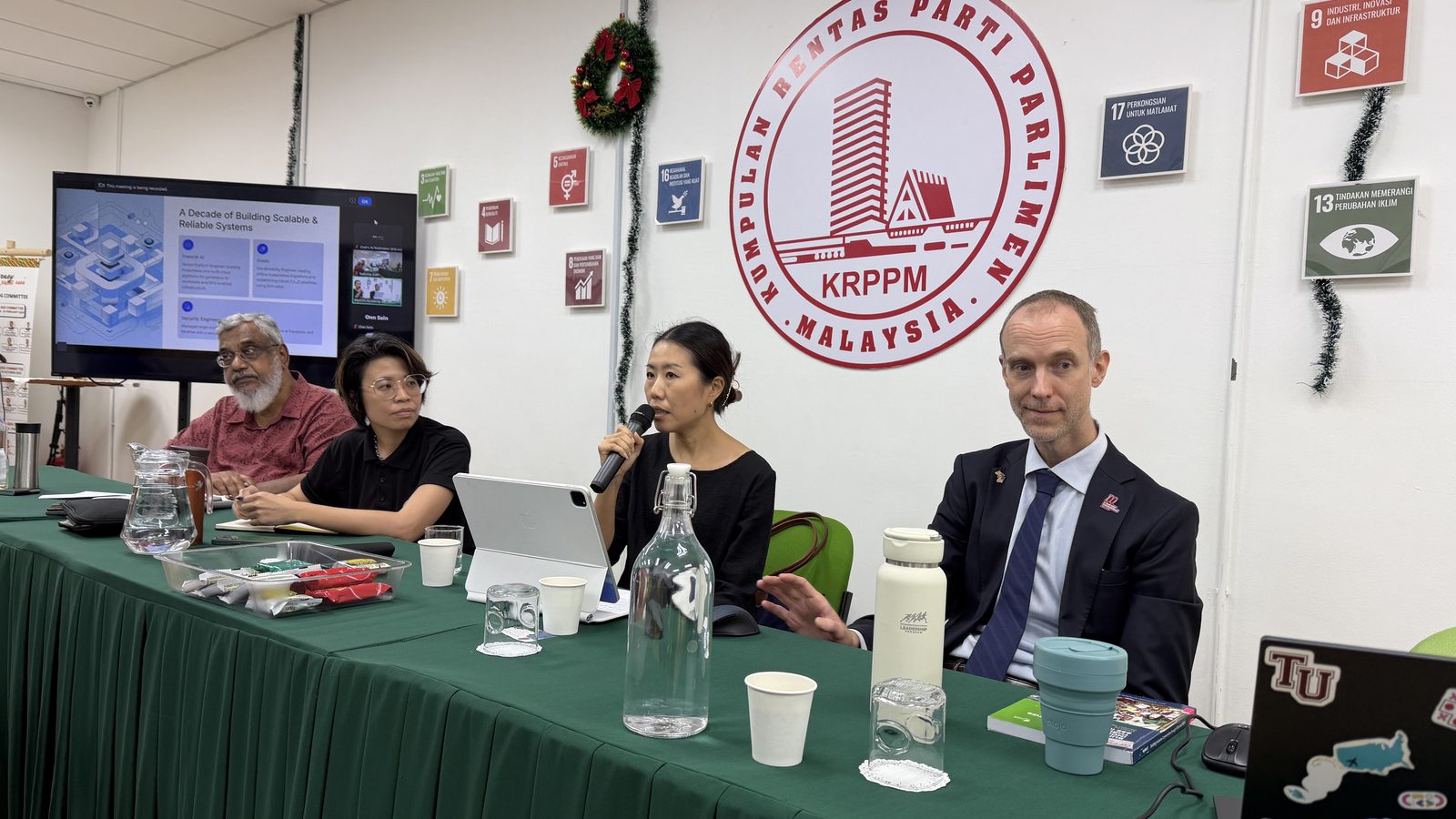
Led by Foundation co-founder Lijie Zhou, in partnership with MySDG Academy and the All-Party Parliamentary Group Malaysia on the SDGs — part of the Mainstreaming the 3rd Sector for Social Economy initiative under Malaysia's 13th Malaysia Plan. Four modules on AI foundations & PDPA-compliant responsible use, prompt engineering for impact, operational AI & productivity, and communications & fundraising.

Read about ASPIRAS AI →
Five years in
2021–2026

We filed the paperwork in January 2021. Five years on, the Foundation has worked in eight communities, made eight mission-related and program-related investments, and built the kind of long, slow partnerships we hoped we would.

We're marking the anniversary with paired reflections from our co-founders — on what we set out to do, what we've actually done, what surprised us, and what we'd skip if we started over. Both pieces appear in the founders' writing below as they go live.

See the five-year impact →
Where we work

Nine places, one approach.

All programs →
01
Hawaiʻi, USA

Molokai

Molokai program

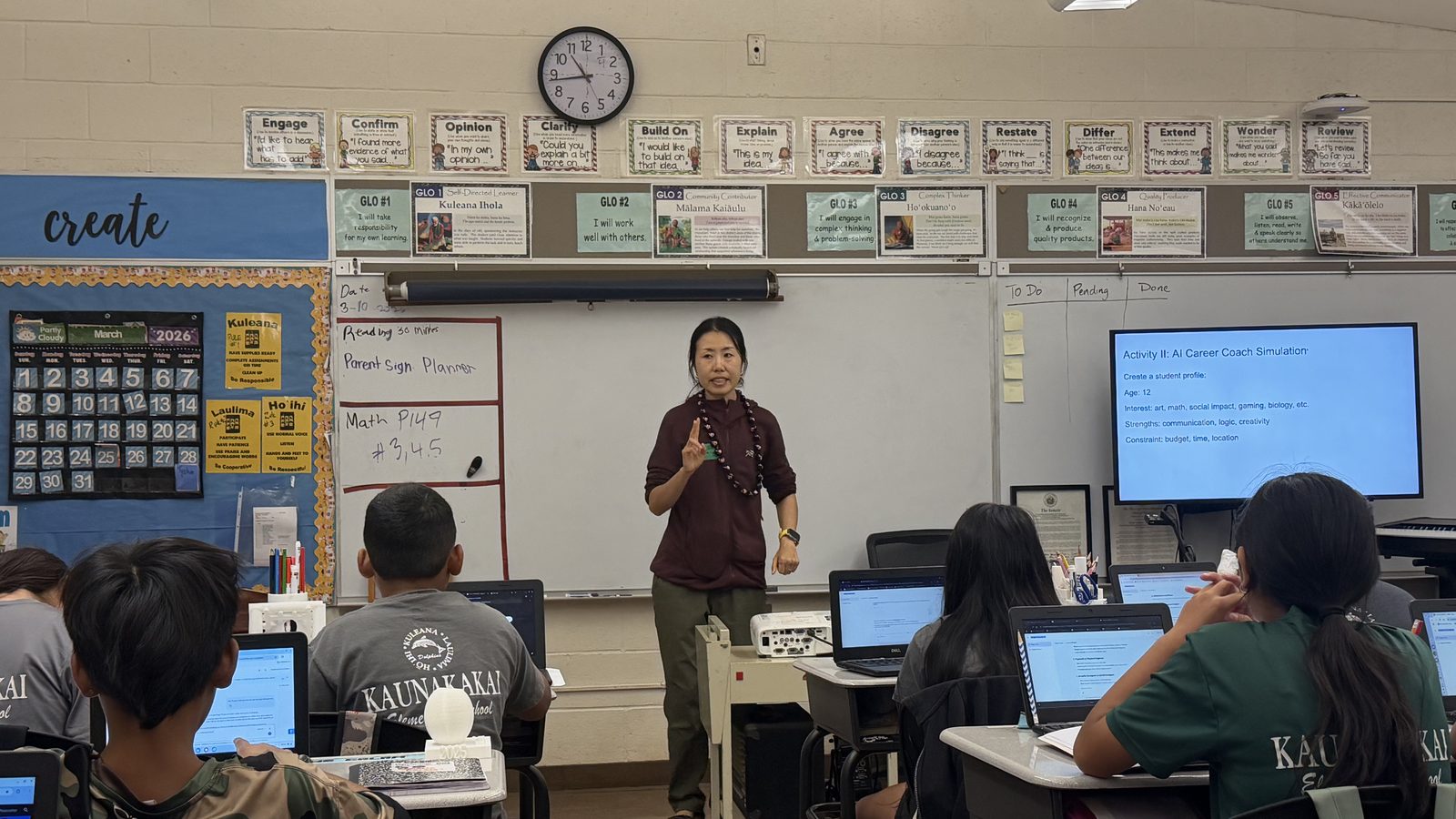
Working with teachers on Molokai to bring AI and computer science curriculum into local classrooms — designed around place-based pedagogy and the island's own context.

Read more
02
East Asia

Taiwan

Taiwan program

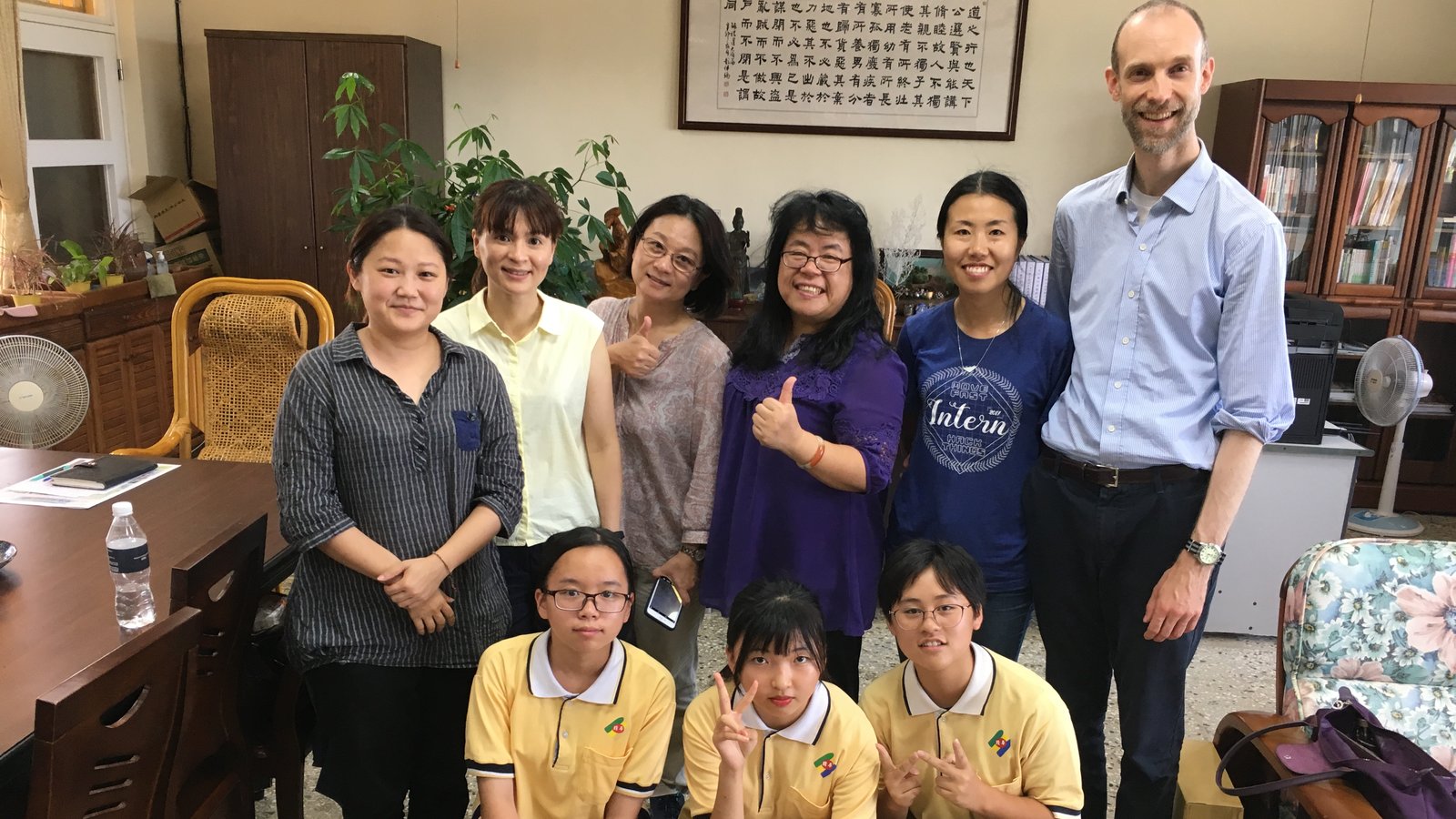
Volunteer teaching at two middle schools in rural Hsinchu, organized in partnership with ITRI — bringing AI and entrepreneurship education to students an hour outside Taiwan's high-tech capital.

Read more
03
Southeast Asia

Vietnam

Vietnam program

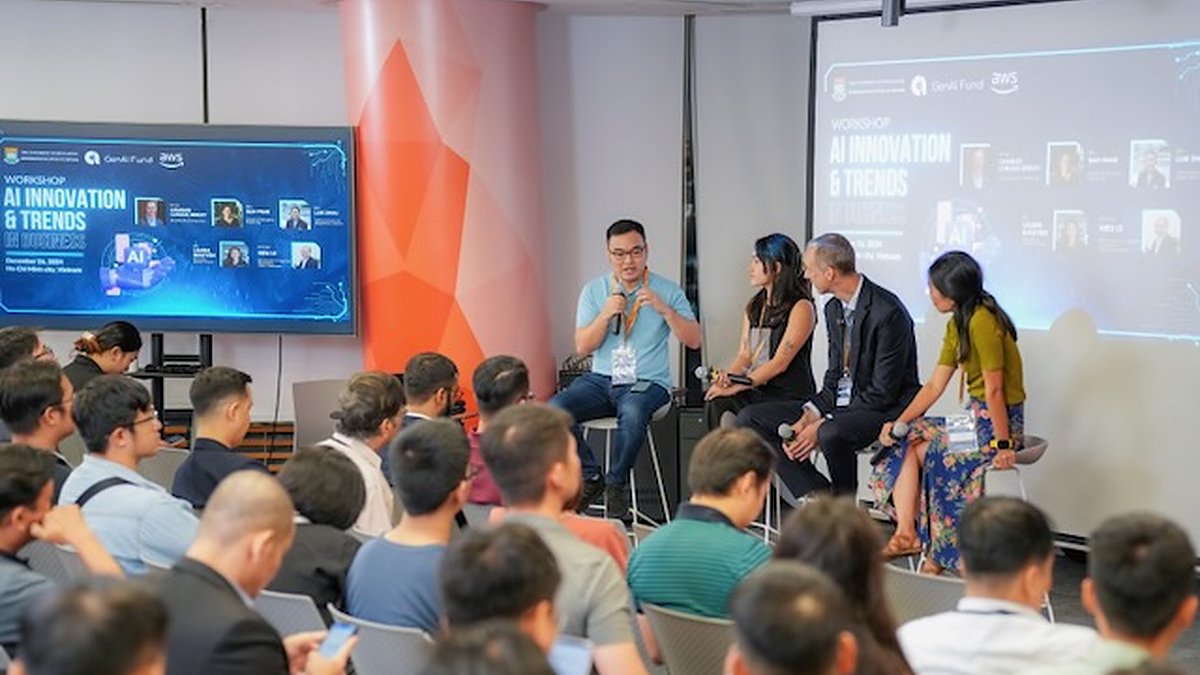
In December 2024, the Foundation ran programming in Vietnam — inspired and co-taught by Bao Phan, a former student of co-founder Chuck Eesley — in partnership with Fulbright University Vietnam, UEH University, and an HKU/AWS workshop on AI Innovation & Trends.

Read more
04
Southeast Asia

Malaysia

Malaysia program

AI literacy and design thinking workshops for educators and students in partnership with the Penang Science Cluster, leading Malaysian universities, the U.S. Embassy in Kuala Lumpur, and the All-Party Parliamentary Group on the SDGs. The 2025 Penang program trained ~25 teachers reaching ~2,500 students. In 2026, Lijie launches Project ASPIRAS AI — a 4-month cohort program helping 15 Malaysian non-profits move beyond basic chatbot usage to deep operational AI integration.

Read more
05
East Africa

Tanzania

Tanzania program

In June 2023, the Foundation taught at the LOHADA orphanage in Tanzania alongside James Juma — a former student of co-founder Chuck Eesley who built the connection — and Abisola, a former Stanford PhD student who co-taught. The Foundation also raised funds for a tractor for the orphanage.

Read more
06
Israel & Palestine

MIT MEET

MIT MEET program

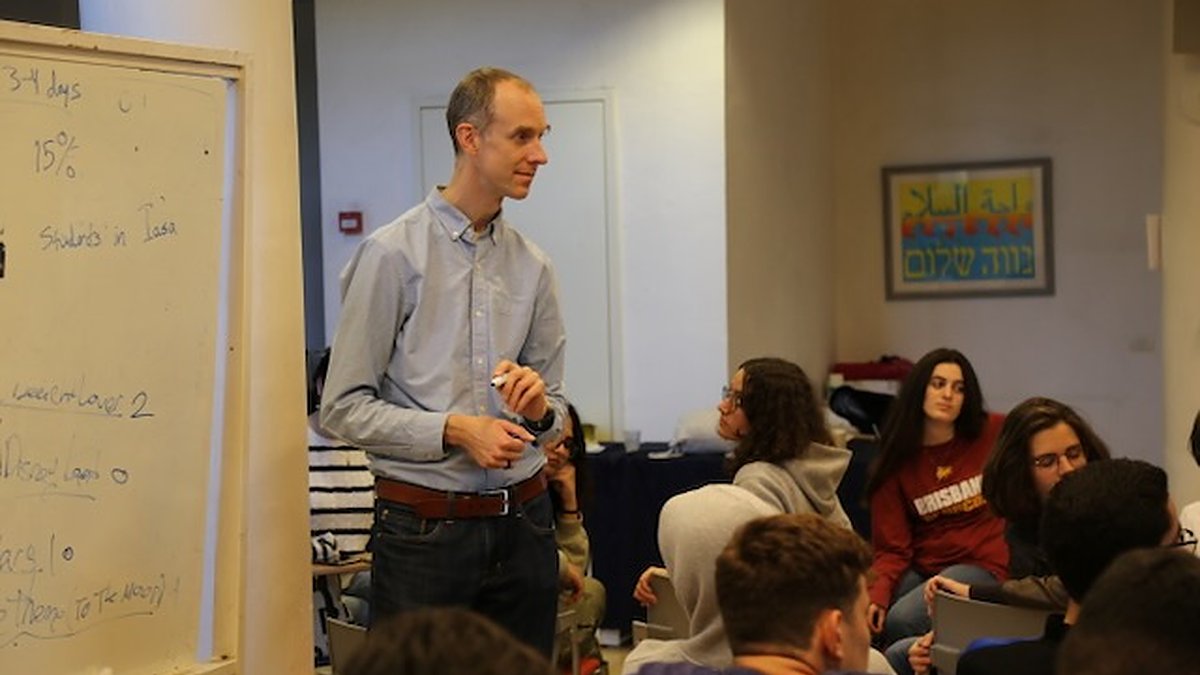
In December 2022, Lijie and Chuck traveled to Jerusalem to teach a full-day workshop at MEETConf — MIT MEET's annual conference for current Israeli and Palestinian students and alumni. A single-engagement contribution to a program the Foundation believes in: bringing high school students from both sides of the political divide together for advanced computer science and entrepreneurship education.

Read more
07
East Africa

Uganda

Uganda program

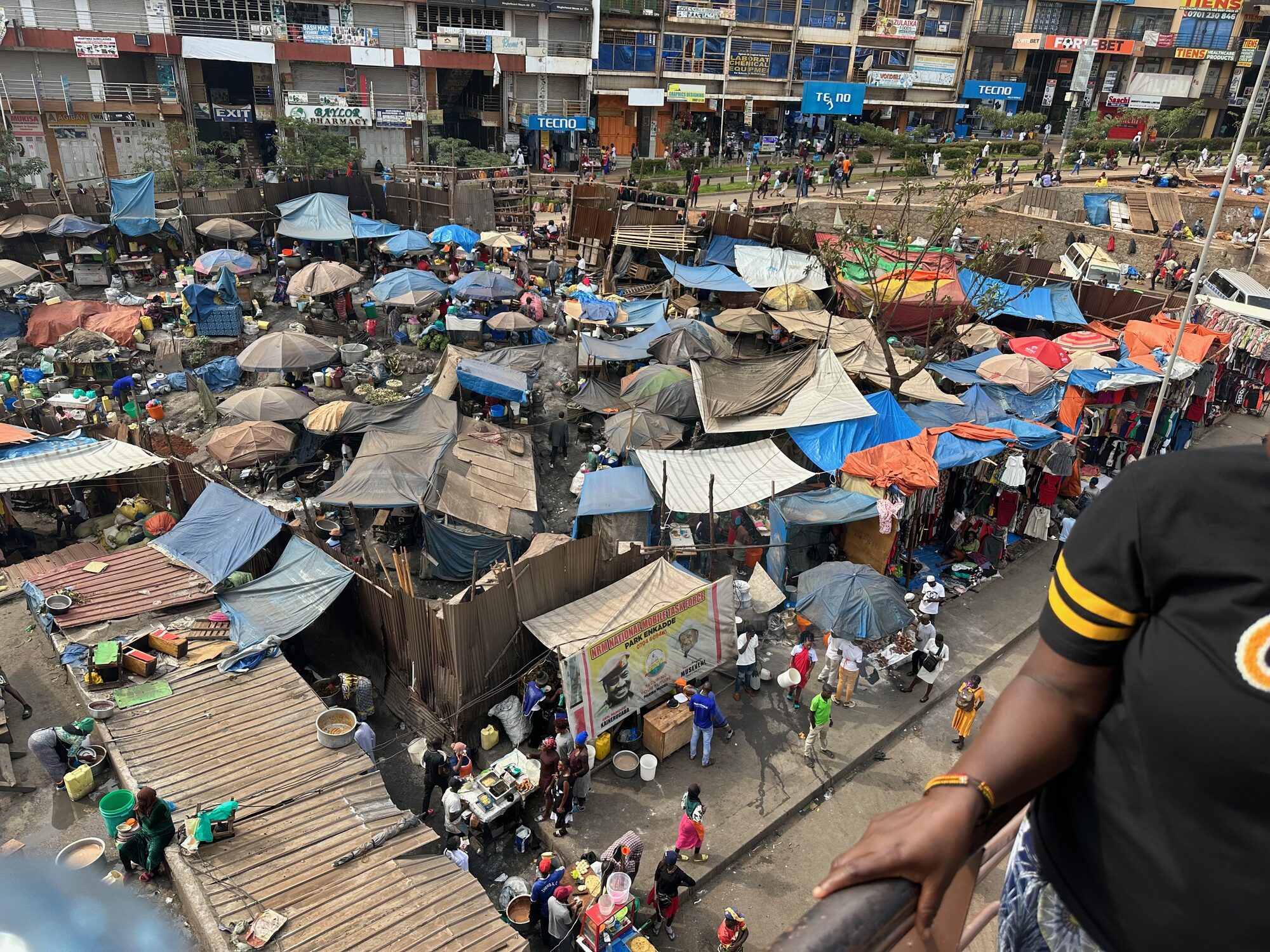
Funding microloans for refugee entrepreneurs in Uganda alongside research on what makes entrepreneurship training work for displaced founders. Delivered in partnership with Challenges Uganda (microlending pilot and mentorship) and Makerere University Business School (curriculum and research).

Read more
08
California, USA — origins

San Francisco State University

San Francisco State University program

The Foundation's first university partnership. Launched during the pandemic, the SFSU Mentorship Program connected Computer Science majors with SFSU alumni for mock technical interviews and career guidance. The Foundation's direct involvement has since wound down, but the program continues today within the SFSU CS department and its alumni network — sustained by the relationships the partnership helped activate.

Read more
09
Western Europe

Paris

Paris program

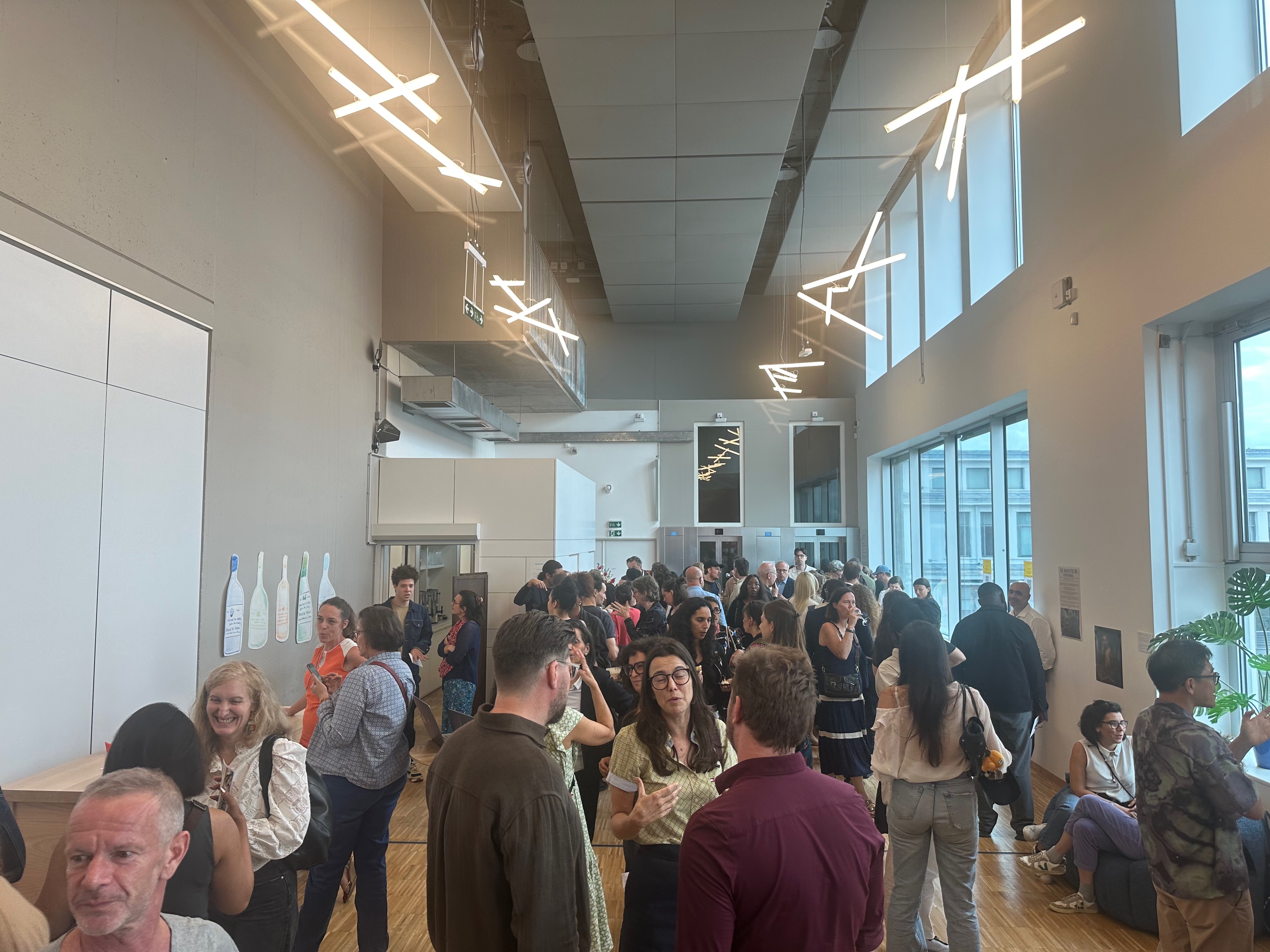
In July 2025, the Foundation supported the Improbable Chair at ESCP Business School and its partner L'Ascenseur — Prof. Sylvain Bureau's art-thinking framework applied to non-profit leaders and to organizations working on equal opportunity in France. Chuck taught pro bono across two days of seminars and joined the closing panel at the Musée Postal.

Read more
How we work

Three commitments that shape every grant we make.

i.

We follow the partners, not a template.

Every program is shaped by the educator, farmer, or faculty member on the ground. We don't drop in curriculum and leave.

ii.

We support, we don't extract.

Our role is to fund, connect, and occasionally teach — not to brand the work or take credit for it.

iii.

We invest as well as grant.

Alongside grants, the Foundation makes mission-related investments in entrepreneurs and funds whose work expands education access.

Recent reflection

Chuck on why responsible AI matters for the founders and educators we serve.

A short reflection from a May 2026 executive session on agentic AI — and the practical questions it raises for the educators and entrepreneurs the Foundation works with.

Latest from the founders

Recent writing.

All writing →
Lijie Zhou · May 2026

How to rule the world?

On elite access, and what it’s actually for. Theo Baker’s recent book about his Stanford undergrad years asks a question that people outside Silicon Valley have been wondering about for a long time:…

What we've reached

Numbers that anchor the work.

Foundation programming reached approximately 2,500 students in Penang alone in 2025 — through roughly 25 teachers we trained, a 100:1 multiplier per teacher. Across the courses Chuck has taught at Stanford and online, our co-founders have together reached more than 200,000 students globally. See the full impact report →

~2,500
Students, Penang 2025
100:1
Students per teacher trained
10
Mission investments
2030
500K target year
$2.7T
Revenue from Stanford alumni-founded companies (Eesley & Miller research)

Aligned with the UN Sustainable Development Goals on Quality Education (SDG 4), Decent Work and Economic Growth (SDG 8), and Reduced Inequalities (SDG 10). The $2.7T figure reflects Stanford-wide alumni research, not Foundation programming — included as context for the bet that education compounds.

If your work fits ours, we'd like to hear from you.

We don't run an open RFP. But we read every email, and we follow up when there's a fit.