San Francisco State University
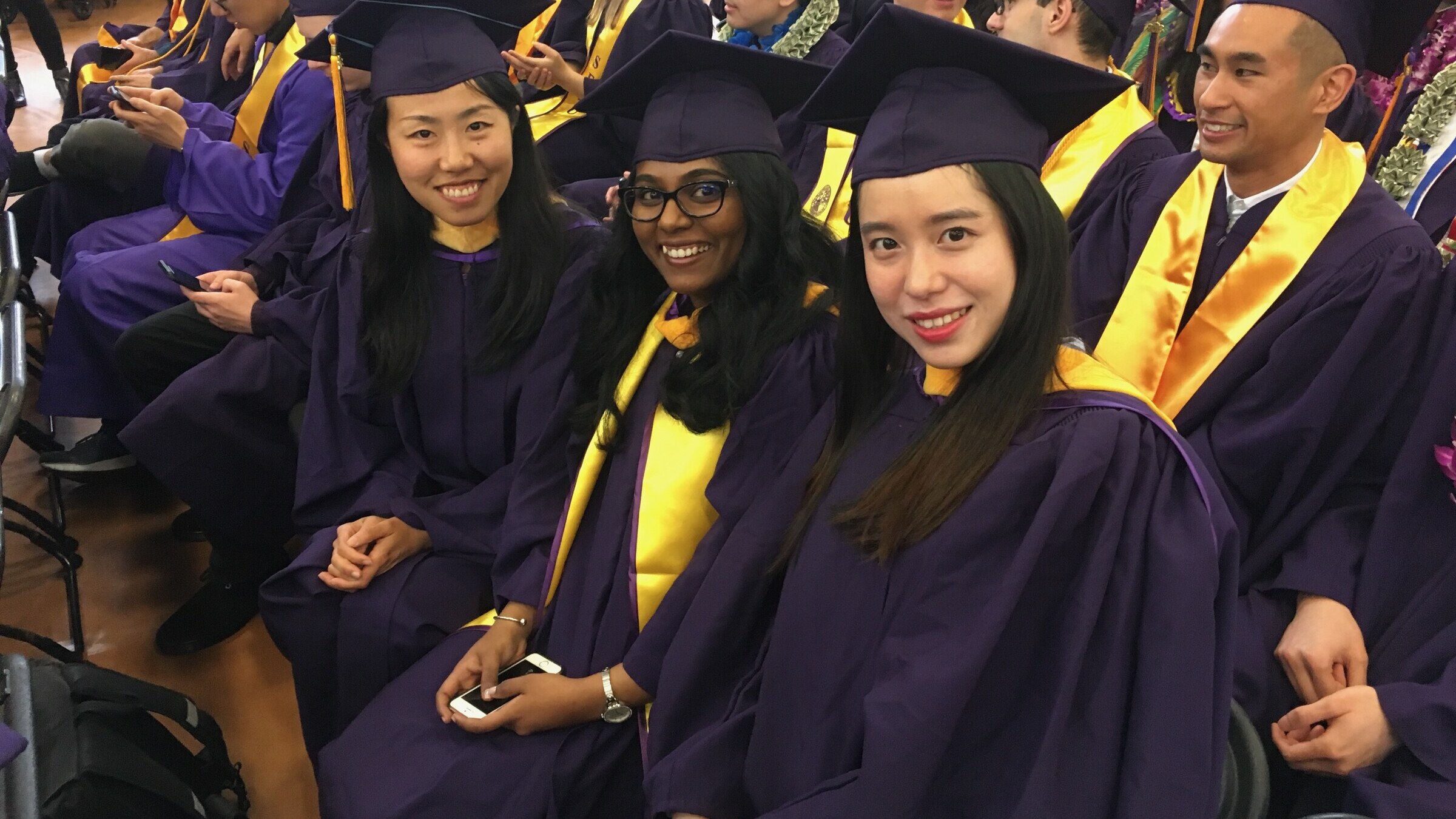
The Foundation's first university partnership. Launched during the pandemic, the SFSU Mentorship Program connected Computer Science majors with SFSU alumni for mock technical interviews and career guidance. The Foundation's direct involvement has since wound down, but the program continues today within the SFSU CS department and its alumni network, sustained by the relationships the partnership helped activate.
San Francisco State University was the Foundation’s first university partner. The program began during the pandemic, when remote work made it possible, for the first time, to connect Computer Science majors at SFSU with the alumni network that had quietly seeded itself across the Bay Area technology industry over the previous decade. SFSU is a public university in the Cal State system, serving a student body that overlaps very little with the populations elite-private CS programs routinely draw from. Its students are talented; what they have less of is the casual proximity to working engineers, founders, and recruiters that determines who actually breaks into the industry. The Foundation’s bet was that the network already existed in alumni form, it just hadn’t been organized yet.
Co-founder Lijie Zhou holds a Master’s in Computer Science from SFSU; the partnership grew directly out of her relationship with the department and the alumni who had been through it ahead of her.
What this looked like in practice
- Helped launch the SFSU Mentorship Program, connecting current CS majors with alumni for mock technical interviews and career guidance
- Convened recurring panel discussions with SFSU CS students, featuring alumni now working across the Bay Area technology industry
- Supported the partnership with SF Hacks at SFSU, the student-run hackathon founded by SFSU alum Paul Klein IV
- Built a standing channel for students who completed the mentorship program to come back and mentor the next cohort
Why it mattered
The Foundation’s view is that the gap between SFSU CS students and CS students at elite-private schools is not a gap of capability. It is a gap of access, to mock interviews, to people who know what hiring committees actually weigh, to the kind of incidental career conversations that happen on dorm-room floors at schools whose alumni already populate the industry. The mentorship program closed that gap with the alumni network SFSU already had.
A measure of the model: Jainam Shah, who participated in the very first cohort of the SFSU Mentorship Program, is now an engineer at Google, and has since come back to mentor and panel-discuss with the next generation of SFSU students. The flywheel the Foundation hoped for, in concrete form.
Where this fits in the Foundation’s story
The Foundation’s direct involvement at SFSU has since stepped back as the program has matured. The mentorship work continues today, sustained by the SFSU CS department and the alumni network it activated, which is, in the end, what we hoped would happen. SFSU is what taught the Foundation that long-term relationships with one institution compound faster than one-off programming spread thin across many. Every Foundation partnership that has come after, Molokai, Penang, Kampala, Hsinchu, the others, is built on the same model: anchor the work in someone on the ground who is going to be there in five years, follow their lead, and step back when the local network can carry the weight.